cbcmp3.com / Journal
Understanding Small Cell Lung Cancer and the Best Treatment Options
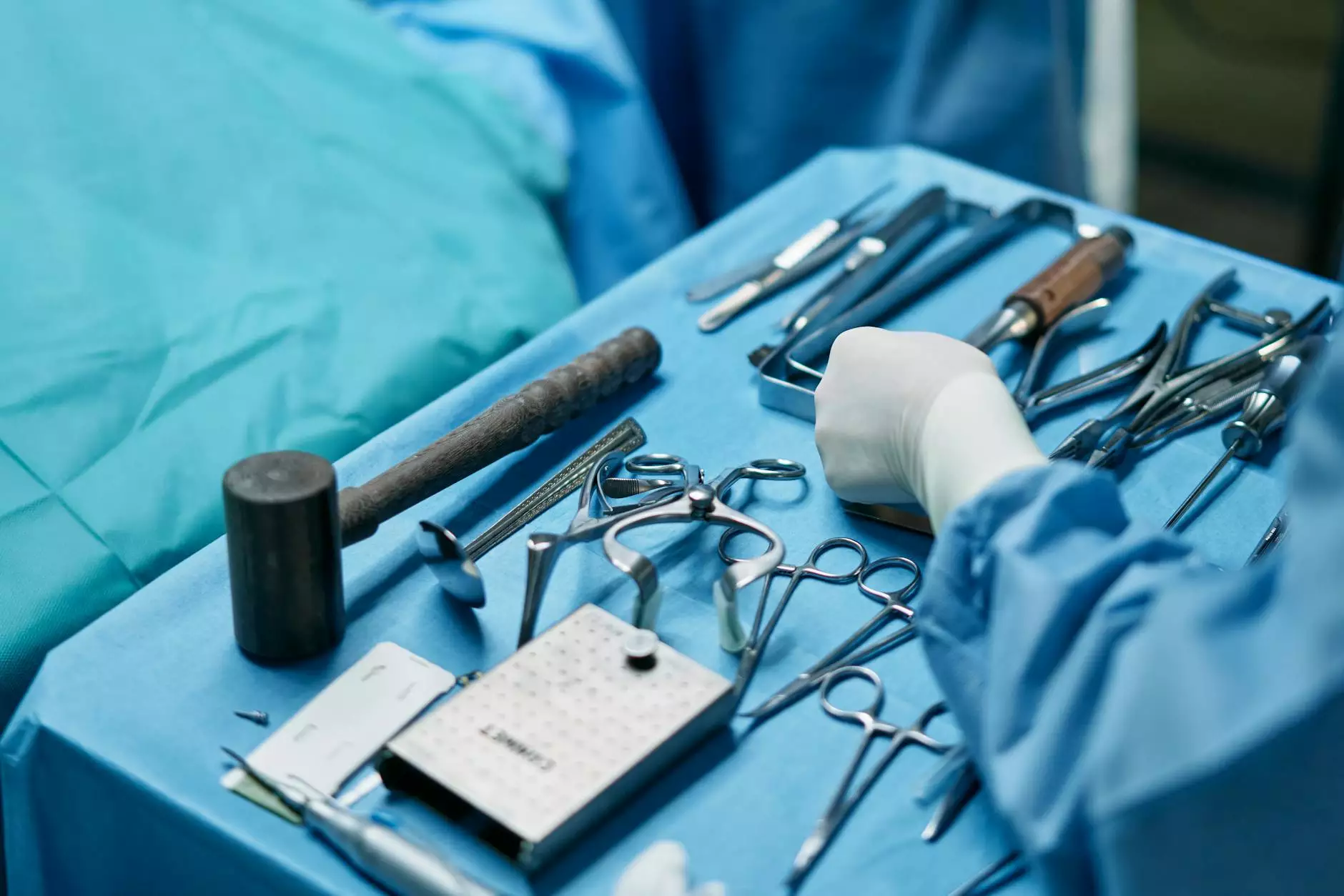
Small cell lung cancer (SCLC) is one of the most aggressive forms of lung cancer, characterized by rapid growth and early metastasis. At Neumark Surgery, we recognize the critical need for comprehensive care and the latest advancements in treatment options. This article delves into the best treatment for small cell lung cancer, providing patients and caregivers with valuable insights and guidance.
What is Small Cell Lung Cancer?
Small cell lung cancer accounts for approximately 15% of all lung cancer cases. It primarily originates in the bronchial tubes, and due to its aggressive nature, it often spreads to distant organs more quickly than other types of lung cancer.
Types of Small Cell Lung Cancer
There are two main types of small cell lung cancer:
- Small Cell Carcinoma - The most common form, characterized by small, oval cells.
- Combined Small Cell Carcinoma - This type contains both small cell and non-small cell components, contributing to variability in treatment response.
Causes and Risk Factors
While the exact cause of small cell lung cancer remains unclear, several factors have been identified that increase the risk:
- Tobacco Use - The leading cause of SCLC, with most patients being smokers.
- Exposure to Radon Gas - A naturally occurring gas that can accumulate in homes.
- Asbestos Exposure - Linked to various lung cancers, including SCLC.
- Family History - A genetic predisposition can increase risk.
Symptoms of Small Cell Lung Cancer
Patients may experience a variety of symptoms that can mimic other conditions, including:
- Persistent Cough - Often worsening over time.
- Chest Pain - May feel sharp or persistent.
- Shortness of Breath - Especially during normal activities.
- Unexplained Weight Loss - A significant drop without trying.
- Fatigue - A common complaint among patients.
Diagnosis of Small Cell Lung Cancer
Prompt and accurate diagnosis is crucial for the effective treatment of small cell lung cancer. Common diagnostic methods include:
- Imaging Tests - Such as chest X-rays, CT scans, and MRIs.
- Biopsy - A procedure to remove a small sample of tissue for examination.
- Endobronchial Ultrasound - Helps in obtaining samples from lymph nodes.
Best Treatment Options for Small Cell Lung Cancer
Finding the best treatment for small cell lung cancer is critical for improving outcomes. Treatment plans depend on the stage of cancer, overall health, and patient preferences. Here are some of the most effective treatment strategies:
1. Chemotherapy
Chemotherapy is the primary treatment for SCLC and is usually administered in cycles. This treatment aims to eliminate rapidly dividing cells, both cancerous and normal. Common chemotherapy drugs used include:
- Cisplatin
- Carboplatin
- Etoposide
- Topotecan
Typically, chemotherapy is administered in tandem with radiation therapy for patients with limited-stage SCLC to enhance effectiveness.
2. Radiation Therapy
Radiation therapy uses high-energy rays to target and kill cancer cells. It can be used in conjunction with chemotherapy or as a standalone treatment. Whole brain radiation therapy (WBRT) may be recommended for patients with metastasis to the brain.
3. Immunotherapy
Immunotherapy leverages the body’s immune system to fight cancer. In recent years, it has emerged as a promising option for SCLC patients. Options include:
- Pembrolizumab - A monoclonal antibody that blocks the PD-1 pathway.
- Nivolumab - Targets PD-L1 and enhances antitumor activity.
These therapies can be particularly beneficial for patients whose cancer does not respond to traditional chemotherapy.
4. Surgical Options
In select cases of limited-stage SCLC, surgery may be considered. Procedures can include:
- Lobectomy - Removal of a lobe of the lung.
- Pneumonectomy - Entire lung removal.
However, given the aggressive nature of SCLC, surgery is less common than with non-small cell lung cancer.
5. Supportive Care
Supportive care is an integral part of the treatment process. This includes:
- Palliative Care - Focuses on improving quality of life and alleviating symptoms.
- Nutritional Support - Ensures patients receive adequate nutrition through diet and supplements.
Clinical Trials and Emerging Treatments
Patients at Neumark Surgery are encouraged to consider participation in clinical trials. These trials provide access to cutting-edge therapies that are not yet widely available but may offer potential benefits.
Outcome Expectations and Follow-Up Care
The prognosis for small cell lung cancer varies by stage at diagnosis:
- Limited Stage: Approximately 20% survive five years.
- Extensive Stage: The five-year survival rate drops to less than 5%.
Regular follow-up care is essential to monitor for recurrence, manage side effects, and address any emerging health concerns.
Conclusion
The journey through small cell lung cancer is challenging, but understanding the best treatment for small cell lung cancer empowers patients and their families. At Neumark Surgery, we are committed to providing compassionate, personalized care and staying at the forefront of medical advancements. Consult with our team today to explore your treatment options and take charge of your health.
For more information on small cell lung cancer and to schedule a consultation, visit Neumark Surgery.