cbcmp3.com / Journal
Understanding Oncology Hospitals: A Comprehensive Guide
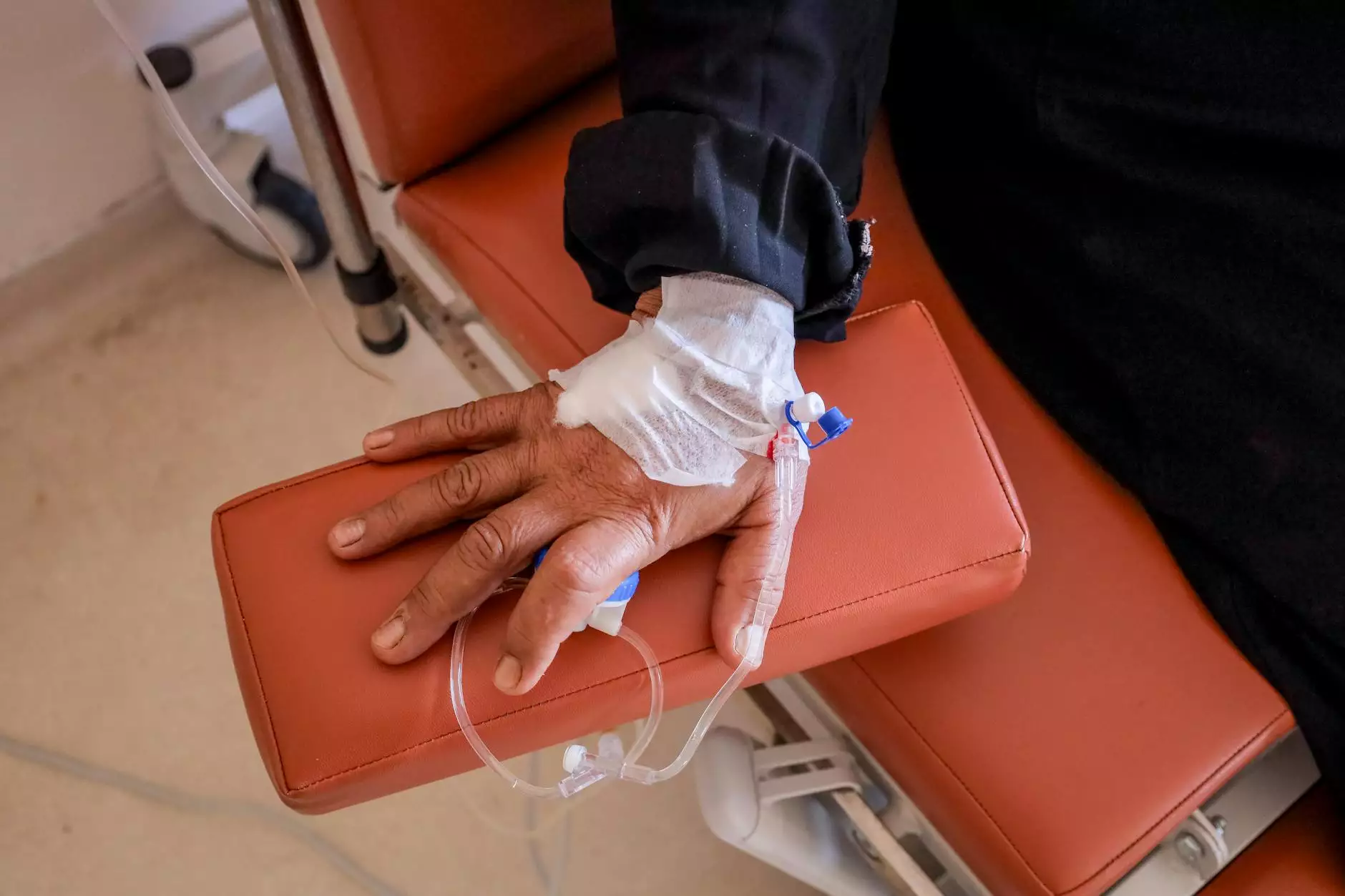
Oncology hospitals play a pivotal role in the fight against cancer, providing specialized care and advanced treatment techniques. With cancer being one of the leading causes of death worldwide, the importance of these healthcare facilities cannot be overstated. This article examines what oncology hospitals are, the treatments they offer, their significance in patient care, and how they are transforming the world of cancer treatment.
The Role of Oncology Hospitals in Cancer Care
Oncology hospitals are dedicated healthcare facilities focused on the prevention, diagnosis, and treatment of cancer. Their primary objective is to enhance the quality of life for patients battling cancer through comprehensive medical care. These institutions house a team of specialists, including oncologists, nurses, radiologists, and support staff, all working collaboratively to deliver exceptional patient outcomes.
Types of Oncology Hospitals
Oncology hospitals can primarily be categorized into two types:
- Comprehensive Cancer Centers: These are large hospitals or medical centers that offer a wide range of services, including surgery, chemotherapy, radiation therapy, and clinical trials. They often have cutting-edge research facilities and are involved in finding new cancer treatments.
- Specialized Cancer Clinics: Smaller than comprehensive cancer centers, these clinics focus on specific types of cancer or treatments. They may provide outpatient services and are deeply knowledgeable in their area of focus.
Innovative Treatments Offered in Oncology Hospitals
Oncology hospitals are at the forefront of implementing innovative treatments that are tailored to individual patient needs. Some of the advanced treatment options include:
- Chemotherapy: A conventional yet powerful treatment method that uses drugs to destroy cancer cells.
- Radiation Therapy: High-energy rays are used to target and kill cancer cells, often employed for localized tumors.
- Surgical Oncology: Surgical removal of cancerous tumors or affected tissues, often followed by other treatments to ensure all cancerous cells are eliminated.
- Immunotherapy: A promising approach that harnesses the body’s immune system to fight cancer, offering hope for many patients.
- Targeted Therapy: Medications are designed to specifically target cancer cell mechanisms, minimizing damage to healthy cells.
- Gene Therapy: Experimental treatments aimed at altering genes in cancer cells, with the goal of making them less aggressive or more susceptible to other treatments.
Patient-Centric Care: A Hallmark of Oncology Hospitals
One of the defining features of oncology hospitals is their commitment to patient-centric care. The cancer journey can be overwhelming, and these hospitals strive to provide an environment where patients feel supported and cared for. The following aspects highlight how patient-centric care is integrated into the oncology treatment process:
Emotional and Psychological Support
Cancer can take a significant emotional toll on patients and their families. Oncology hospitals often provide access to psychological counseling and support groups where patients can share their experiences and feelings. Such support is crucial for mental well-being during treatment.
Nutritional and Wellness Programs
Nutrition plays an essential role in recovery. Oncology hospitals usually offer nutritional counseling as part of their treatment plan, helping patients maintain strength and cope with side effects. Wellness programs, including exercise and relaxation techniques, are also encouraged to foster overall health.
Patient Education and Empowerment
Education is a powerful tool in the fight against cancer. Oncology hospitals focus on empowering patients by providing detailed information about their diagnosis, treatment options, and the necessary lifestyle adjustments. This approach helps patients to make informed decisions and engage actively in their care.
Technology in Oncology Hospitals: A Leap Towards Better Care
The integration of advanced technology is a cornerstone of modern oncology practice. Here are some cutting-edge technologies commonly found in oncology hospitals that are revolutionizing cancer treatment:
- Radiation Oncology Techniques: Technologies such as IMRT (Intensity-Modulated Radiation Therapy) allow for precise targeting of tumors while minimizing exposure to surrounding healthy tissue.
- Robotic Surgery: Minimally invasive surgical options offered through robotic systems reduce recovery time and improve surgical precision.
- Genomic Testing: Tailors treatments based on the genetic makeup of individual tumors, allowing for personalized therapy approaches.
- Artificial Intelligence (AI): AI applications are used in diagnostics, predicting treatment responses, and developing patient-specific treatment plans.
- Telemedicine: Provides patients with access to specialists from the comfort of their homes, expanding the reach of cancer care.
Community Involvement and Outreach
Oncology hospitals also play a vital role beyond immediate patient care. Their involvement in community outreach is crucial in combating cancer on a larger scale. Activities often include:
- Awareness Campaigns: Educational initiatives aimed at informing the public about cancer prevention, screening, and early detection.
- Screening Programs: Providing free or low-cost screening services to ensure early diagnosis, which is key in improving treatment outcomes.
- Support for Survivors: Building programs that support cancer survivors as they navigate life post-treatment, emphasizing long-term health and wellness.
Choosing the Right Oncology Hospital
Selecting the right oncology hospital is a critical decision that can significantly influence treatment outcomes. Here are several factors to consider when choosing an oncology hospital:
- Accreditation: Look for hospitals accredited by recognized organizations, which indicate adherence to high-quality standards in cancer care.
- Specialty Programs: Choose hospitals that specialize in the specific type of cancer for tailored treatment options.
- Team of Experts: Research the qualifications and experience of the medical team to ensure you receive the best possible care.
- Patient Resources: Evaluate the availability of support services such as counseling, nutritional advice, and wellness programs.
- Location and Accessibility: Consider the hospital's location and the ease of access, as this may affect your treatment experience.
Conclusion: The Future of Oncology Hospitals
As research and technology continue to advance, the future of oncology hospitals looks promising. Innovations in treatment, patient care, and community engagement are paving the way for improved outcomes and a holistic approach to cancer care. These facilities are not merely places of treatment but are evolving into comprehensive health ecosystems that cater to the physical, emotional, and psychological well-being of their patients.
If you or a loved one is navigating the complexities of cancer, understanding the role of oncology hospitals can help you make informed decisions. These institutions are dedicated to fighting cancer and providing compassionate care, ultimately striving towards a world where cancer is no longer a leading cause of mortality.