cbcmp3.com / Journal
The 14 Highest Peaks in the World: Discovering Nature's Majestic Giants
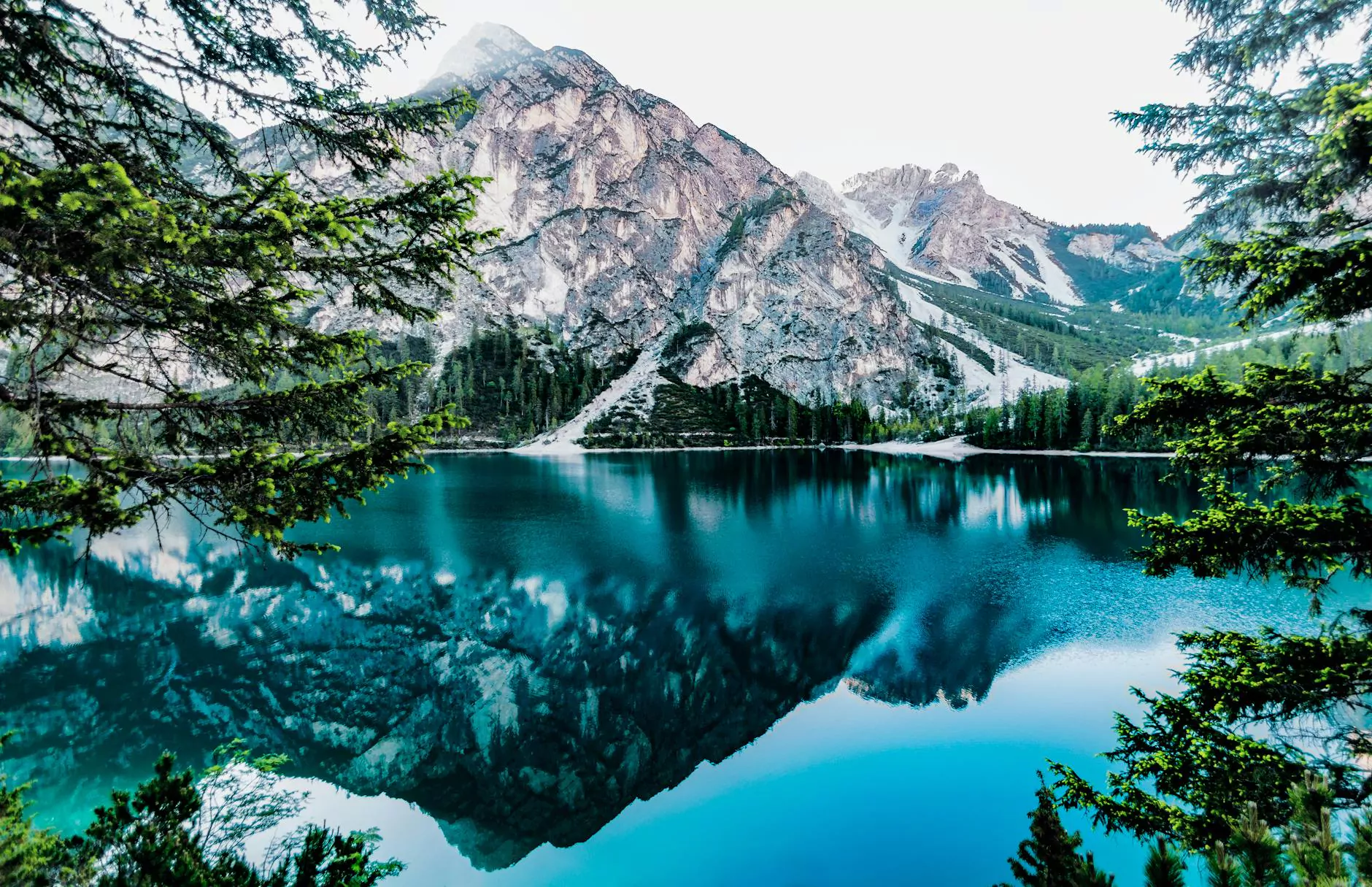
Mountains have fascinated mankind for centuries, serving as both awe-inspiring landmarks and formidable challenges for adventurers and hikers alike. Among these majestic giants, the 14 highest peaks in the world hold a special place. Each peak represents not only a physical challenge but also an opportunity to connect with nature, experience breathtaking views, and enjoy the thrill of exploration. In this article, we will delve into these incredible mountains, their breathtaking features, and how they continue to inspire those who seek adventure.
1. Mount Everest: The Roof of the World
Standing at a staggering 8,848.86 meters (29,031.7 feet), Mount Everest is the tallest mountain on Earth. Located in the Himalayas, straddling the border between Nepal and the Tibet Autonomous Region of China, Everest has become the ultimate challenge for climbers worldwide. The first successful ascent was made in 1953 by Sir Edmund Hillary and Tenzing Norgay.
Every year, thousands attempt to reach its peak, enduring extreme weather, high altitudes, and physical exhaustion. The Sherpa community plays an invaluable role in these expeditions, offering their expert guidance and support. Hiking tours to Everest Base Camp allow trekkers to witness its grandeur without the need for climbing gear. A visit here is a journey of a lifetime, bringing you face-to-face with one of nature's most incredible wonders.
2. K2: The Savage Mountain
K2, known as the Savage Mountain, is the second highest peak, rising to 8,611 meters (28,251 feet). It is situated on the China-Pakistan border and is infamous for its challenging climbing conditions. While it may not be as tall as Everest, K2 is often considered a more dangerous and difficult climb due to its steepness and unpredictable weather.
First summited in 1954 by an Italian team, K2 has about a 25% fatality rate for climbers who attempt to reach its summit. However, its breathtaking beauty and majestic presence attract experienced climbers year after year. For those looking to experience K2 without the climb, there are trekking options to Base Camp, providing breathtaking views and a glimpse into the world of high-altitude mountaineering.
3. Kangchenjunga: The Five Treasures of Snow
Kangchenjunga, with an elevation of 8,586 meters (28,169 feet), is the third highest peak in the world and is located on the border between Nepal and India. Its name translates to "The Five Treasures of Snow,” representing the five high peaks that rise above its base. Kangchenjunga is revered in local cultures and is known for its stunning natural beauty and rich biodiversity.
Unlike Everest and K2, the mountain remains relatively less crowded, creating a more tranquil hiking experience for those who seek adventure. Trekking routes around Kangchenjunga offer visitors the chance to explore lush forests, vibrant cultures, and breathtaking views of the mountain itself.
4. Lhotse: The Neighbor of Everest
Standing at 8,516 meters (27,940 feet), Lhotse is the fourth highest peak in the world and is directly connected to Everest via the South Col. First summited by a Swiss team in 1956, Lhotse is known for its dramatic south face, which presents a significant challenge for climbers.
Interestingly, Lhotse's proximity to Everest makes it a popular climbing destination for those already acclimatized on Everest. It also offers excellent trekking options for hikers interested in reaching the Lhotse Base Camp, where breathtaking views of the surrounding peaks and glaciers can be enjoyed.
5. Makalu: The Monumental Peak
Makalu, reaching 8,485 meters (27,838 feet), is the fifth highest mountain and is known for its distinctive pyramid shape. Located in the Mahalangur range of the Himalayas, Makalu is renowned for its beauty and challenging ascent. The mountain was first climbed in 1955 by an American team.
This towering peak provides a spectacular backdrop for trekkers and climbers alike, making it a favorite for those looking for adventure. Trekking to Makalu Base Camp offers proximity to pristine nature and breathtaking views of the iconic mountain face.
6. Cho Oyu: The Turquoise Goddess
With an elevation of 8,188 meters (26,864 feet), Cho Oyu is the sixth highest mountain in the world. Its name translates to "Turquoise Goddess," named for its beautiful blue hues seen from certain angles. Cho Oyu is often considered one of the most accessible of the 14 highest peaks, making it a popular choice for climbers who are new to high-altitude expeditions.
Despite its accessibility, climbers should not underestimate the challenges posed by its altitude and unpredictable weather. The trek to Cho Oyu Base Camp is equally rewarding, offering breathtaking landscapes and opportunities to experience the unique culture of the region.
7. Dhaulagiri: The White Mountain
Dhaulagiri, standing tall at 8,167 meters (26,795 feet), is the seventh highest peak in the world. Its name means "White Mountain" in Sanskrit, and it boasts stunning views and a challenging terrain for climbers and trekkers. Dhaulagiri was first summited in 1960 by a Swiss/Austrian expedition.
The mountain's south face presents an impressive challenge, but its majestic beauty can be appreciated through trekking routes that wind around the mountain, showcasing the diverse landscapes of the region.
8. Manaslu: The Mountain of the Spirit
At 8,163 meters (26,781 feet), Manaslu is the eighth highest peak in the world and is referred to as "The Mountain of the Spirit." Located in Nepal, it provides a unique blend of culture and nature, with its climbing routes traversing several traditional villages.
The first successful ascent was made in 1956 by a Japanese expedition. Many trekkers choose to explore the Manaslu Circuit, which offers stunning views of the mountain as well as opportunities to experience local culture and hospitality along the way.
9. Nanga Parbat: The Naked Mountain
Nanga Parbat, which means "Naked Mountain," is the ninth highest peak at 8,126 meters (26,660 feet). Its dramatic rise from the plains below makes it one of the most visually striking peaks. Located in Pakistan, Nanga Parbat is known for its perilous climbing conditions and high fatality rates, contributing to its infamous reputation.
First summited in 1953, Nanga Parbat offers trekking routes that allow hikers to enjoy its beauty from a safe distance, experiencing stunning views of the surrounding mountains and valleys.
10. Annapurna: The Goddess of the Harvest
Annapurna, with an elevation of 8,091 meters (26,545 feet), is the tenth highest mountain in the world and is considered one of the most dangerous climbs due to its steep and unpredictable terrain. Named after the Hindu goddess of the harvest, Annapurna presents significant challenges for climbers. It was first summited in 1950 by a French expedition.
The Annapurna Circuit trekking route provides an incredible opportunity for hikers to experience the majestic mountain without the risks of a summit attempt. This trek offers a stunning variety of landscapes, rich local culture, and breathtaking views of the Annapurna range.
11. Gasherbrum I: The Hidden Peak
Gasherbrum I, at 8,080 meters (26,509 feet), is known as the Hidden Peak and is the 11th highest mountain in the world. This remote peak is located in the Karakoram range on the border between Pakistan and China. It was first summited in 1958 by an American-Italian team.
The beauty of Gasherbrum I is complemented by its isolation, making it a less common destination for climbers. Trekking to Gasherbrum Base Camp offers a chance to see stunning glacial landscapes and enjoy the tranquility of this breathtaking area.
12. Broad Peak: The Great One
Broad Peak, also a part of the Karakoram range, rises to 8,051 meters (26,414 feet). Its name comes from its broad summit, making it a distinct feature among towering peaks. First summited in 1957, Broad Peak is popular among climbers looking to experience a less technical climb compared to other giants.
The trek to Broad Peak Base Camp reveals stunning views of stunning glaciers and nearby peaks, making it a favorite for trekkers seeking to immerse themselves in the serene beauty of the mountains.
13. Gasherbrum II: The Rank of the 13th Highest Peak
Gasherbrum II, at 8,035 meters (26,362 feet), is the 13th highest mountain in the world and is often overshadowed by its majestic neighbor, Gasherbrum I. It was first summited in 1956 by an expedition from Austria. This mountain is known for being a challenging but rewarding climb.
Trekking routes in the region provide an opportunity to explore the breathtaking landscapes and culture surrounding Gasherbrum II, making it an excellent choice for those interested in both trekking and mountaineering.
14. Shishapangma: The Last One
Shishapangma, with an elevation of 8,027 meters (26,335 feet), is the 14th highest peak in the world and is located entirely within Tibet. It was first summited in 1964 and remains less popular compared to other giants. The mountain offers a unique experience for climbers and trekkers alike.
Due to its remote location, climbing and trekking here offer a sense of adventure that evokes the spirit of exploration. Trekking routes around Shishapangma provide stunning panoramas and opportunities to engage with the rich Tibetan culture that thrives in these regions.
Planning Your Adventure
Embarking on a journey to explore the 14 highest peaks in the world is undoubtedly a thrilling experience. With options for both climbers and trekkers, there are numerous ways to engage with these majestic mountains. Organizations like Himalayan Dream offer specialized tours tailored to your adventure needs. Whether you choose to attempt a summit or savor the beauty from lower altitudes, careful planning is paramount. Here are some key considerations:
- Physical Preparation: Ensure you are physically fit and acclimatized for high-altitude conditions.
- Gear and Equipment: Use reliable climbing gear or trekking equipment suitable for your chosen adventure.
- Choose the Right Season: Be aware of weather patterns and aim for the best months for trekking or climbing in the region.
- Guided Tours: Consider joining guided tours that offer expert assistance and experience.
- Respect Local Culture: Engage respectfully with local communities and their practices.
Conclusion
The allure of the world's highest peaks is as much about the climb as it is about the opportunity to connect with nature in its most dramatic forms. The 14 highest peaks in the world are not just destinations for extreme sports enthusiasts; they are symbols of achievement, beauty, and the spirit of adventure. Each mountain tells a unique story and invites individuals to explore their grandeur.
If you're inspired by these majestic giants, consider planning your adventure with Himalayan Dream. Whether you are a seasoned climber or a casual hiker, the experience of witnessing these natural wonders is life-changing. Your journey into the heights of the Himalayas or the depths of the Karakoram awaits!