cbcmp3.com / Journal
Different Pumpkins: A Deep Dive into Varieties, Uses, and Cultivation Techniques
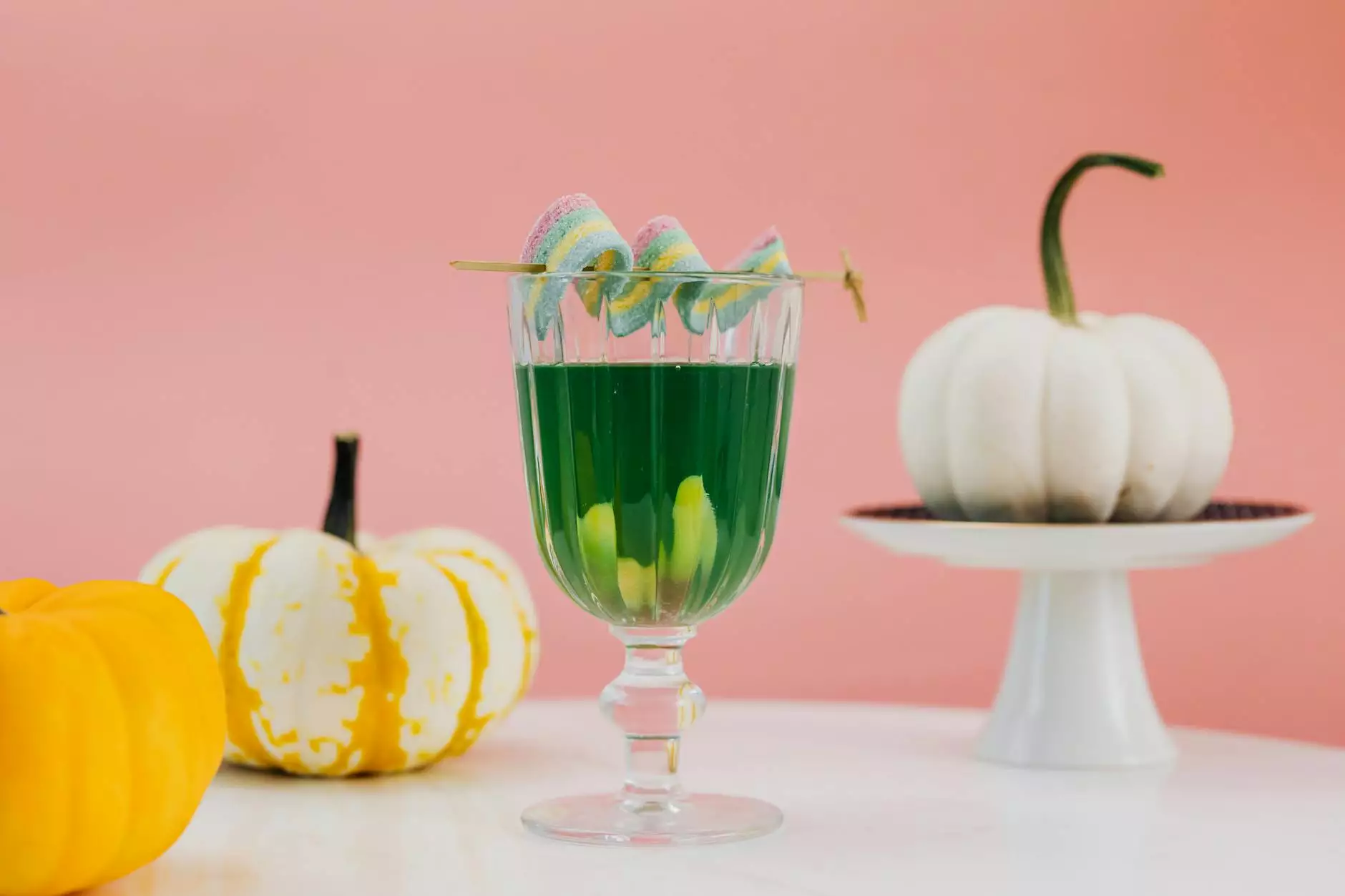
When it comes to the enchanting world of gardening, pumpkins hold a special place not just for their aesthetic appeal but also for their practicality and versatility. The term "different pumpkins" encompasses a wide array of varieties, each offering unique characteristics and uses. In this article, we will explore the various types of pumpkins that gardeners can choose from, how to grow them, and the many ways they can be utilized.
The Wonderful World of Pumpkins
Pumpkins are not merely for Halloween decorations; they are rich in history, culture, and nutritional value. Native to North America, these gourds have been cultivated for thousands of years and come in various shapes, sizes, and colors. Let's delve into some fascinating aspects of pumpkins.
Historical Significance
The history of pumpkins dates back to ancient civilizations where they were cultivated for food. They played a vital role in the diet of Native Americans, who used them in various dishes. Today, pumpkins are celebrated in different cultures around the world, especially during fall festivals.
Types of Different Pumpkins
Understanding the different pumpkins available can significantly influence your gardening experience. Here are some popular categories:
1. Decorative Pumpkins
Decorative pumpkins are primarily used for ornamental purposes. They are small, often with unique colors and shapes. Some popular varieties include:
- Mini Pumpkins: These tiny jewels make great table decorations.
- Blue Pumpkins: Known for their striking blue-gray skin, they're used both for decoration and culinary purposes.
- Gourds: Technically, they are not true pumpkins, but they often get grouped with them for their decorative qualities.
2. Cooking Pumpkins
Cooking pumpkins are ideal for pies, soups, and other culinary delights. Key varieties include:
- Sugar Pumpkins: Small and sweet, perfect for baking.
- Pie Pumpkins: These have a mild flavor and smooth texture, highly favored for pumpkin pies.
- Cheese Pumpkins: A versatile variety noted for its sweet flesh, ideal for roasting and soups.
3. Giant Pumpkins
For those interested in challenges, growing giant pumpkins can be an exhilarating hobby. Varieties such as:
- Atlantic Giant: This is the most popular giant pumpkin variety, often grown for competitions.
- Big Max: Known for its massive size, it can weigh several hundred pounds.
Growing Different Pumpkins
Now that we understand the various types of pumpkins, let’s dive into how to successfully grow them in your garden.
Site Selection
Choosing the right site is crucial for pumpkin cultivation. Look for a location that receives plenty of sunlight and has well-drained soil. Pumpkins thrive in rich, loamy soil with a pH of 6.0 to 6.8.
Soil Preparation
Before planting, it's essential to prepare the soil adequately. Here are steps to follow:
- Test the soil pH and amend it accordingly.
- Add organic matter, such as compost, to improve soil fertility.
- Till the soil to a depth of at least 12 inches to ensure proper aeration.
Planting Techniques
When it comes to planting, timing is key. Pumpkins are typically sown in late spring or early summer when the soil temperature reaches at least 65°F (18°C). Follow these steps:
- Plant seeds in rows, spacing them about 2-3 feet apart.
- Cover the seeds with 1 inch of soil.
- Water gently but thoroughly to avoid washing the seeds away.
Caring for Your Pumpkin Plants
Once your pumpkins are planted, they need consistent care to thrive.
Watering
Pumpkin plants require considerable moisture. Aim to water them deeply once a week, especially during dry spells. A mulch layer can help retain moisture and suppress weeds.
Fertilization
Regular feeding is important for healthy growth. A balanced fertilizer can promote vigorous vine and fruit development. Consider using:
- A high-nitrogen fertilizer for vine growth.
- A phosphate-rich fertilizer as the fruits start to develop.
Pest and Disease Management
Keeping pests and diseases at bay is vital. Common threats include:
- Aphids: Use insecticidal soap to control infestations.
- Cucumber beetles: Implement crop rotation and encourage beneficial insects.
- Powdery mildew: Plant resistant varieties and ensure good air circulation.
Harvesting Your Pumpkins
Knowing when to harvest your pumpkins is crucial for optimal flavor and storage. Signs that your pumpkins are ready include:
- The skin is hard and cannot be easily scratched.
- The stem is brown and shriveled.
- The fruit has reached its expected color.
Storing Pumpkins
Once harvested, pumpkins require proper storage to maintain their freshness. Keep them in a cool, dry place, ideally between 50-60°F (10-15°C). If well-cared for, some varieties can last for several months!
Creative Uses of Pumpkins
The versatility of pumpkins extends beyond just gardening and decoration. Here are some enriching ways to utilize your harvest:
Culinary Delights
Different pumpkins are not just visually appealing; they are also delicious! Explore these delightful dishes:
- Pumpkin Soup: Creamy and comforting, perfect for chilly evenings.
- Pumpkin Pie: A classic dessert that embodies autumn.
- Roasted Pumpkin: Sliced and seasoned, a healthy side dish.
Art and Crafts
During the fall season, pumpkins become the centerpiece for art and craft projects:
- Carving Pumpkins: Create spooky or whimsical designs for Halloween.
- Decorative Arrangements: Use different pumpkins to craft beautiful centerpieces.
- Seed Crafts: Save seeds for replanting or use them in art projects.
Conclusion
Exploring the world of different pumpkins opens up a wealth of possibilities for gardeners and enthusiasts alike. From understanding the varieties and their unique features to mastering the art of growing and utilizing them, pumpkins play an integral role in gardening culture. Whether you are aiming to decorate your home, prepare delicious meals, or engage in creative crafts, pumpkins offer an abundance of opportunities. Dive into this vibrant aspect of gardening and embrace the joy of cultivating and celebrating pumpkins in all their glory!
For more information and resources, visit pumpkins.co.uk.