cbcmp3.com / Journal
Understanding Foot Swelling for No Reason: Causes, Treatments, and Prevention

Foot swelling, medically referred to as edema, can occur for a variety of reasons. It's not unusual for individuals to experience foot swelling for no reason that they can identify. This condition is often temporary and may not be serious, yet it can be a sign of underlying health issues.
What is Foot Swelling?
Foot swelling occurs when excess fluid accumulates in the tissues of the foot and ankles, leading to an enlargement that can range from mild to severe. This condition can affect one foot or both and can be associated with various factors including injury, medication, lifestyle, and medical conditions.
Common Causes of Foot Swelling
- Injury: Sprains, fractures, or any trauma to the foot can lead to localized swelling.
- Inactivity: Prolonged sitting or standing can cause the feet to swell due to fluid build-up.
- Dietary Choices: High-sodium diets may cause the body to retain water, leading to swelling.
- Medical Conditions: Several health issues can lead to foot swelling, including:
- Heart Disease: Heart conditions can affect how blood circulates and leads to fluid retention.
- Kidney Problems: Kidneys play a key role in fluid balance; dysfunction can cause swelling.
- Liver Disease: Impaired liver function can cause fluid accumulation in the feet.
- Vascular Conditions: Problems with veins, such as chronic venous insufficiency, can lead to swelling.
- Pregnancy: Hormonal changes and increased fluid volume during pregnancy can result in swelling.
- Medication Side Effects: Some medications, including steroids and non-steroidal anti-inflammatory drugs (NSAIDs), can cause edema.
Recognizing Symptoms of Foot Swelling
Symptoms associated with foot swelling for no reason can vary, but typically include:
- Visible swelling in one or both feet and ankles.
- A feeling of heaviness or tightness in the affected areas.
- Skin that appears shiny or stretched.
- Difficulty in walking or wearing shoes.
- Pain or discomfort in the foot.
When to Seek Medical Attention
While many instances of foot swelling are benign, it's important to recognize when to seek help. You should contact a healthcare provider if you experience:
- Severe swelling or sudden onset swelling.
- Swelling that is accompanied by shortness of breath or chest pain.
- Persistent swelling that does not resolve with home care.
- Skin changes such as redness or warmth in the swollen area, which could indicate infection or deep vein thrombosis.
Diagnostic Approaches
If you have persistent foot swelling for no reason, your physician will likely perform a thorough evaluation. This may include:
- Physical Examination: Assessing the extent of swelling and checking for other symptoms.
- Medical History Review: Discussing your medical background, medications, and lifestyle factors.
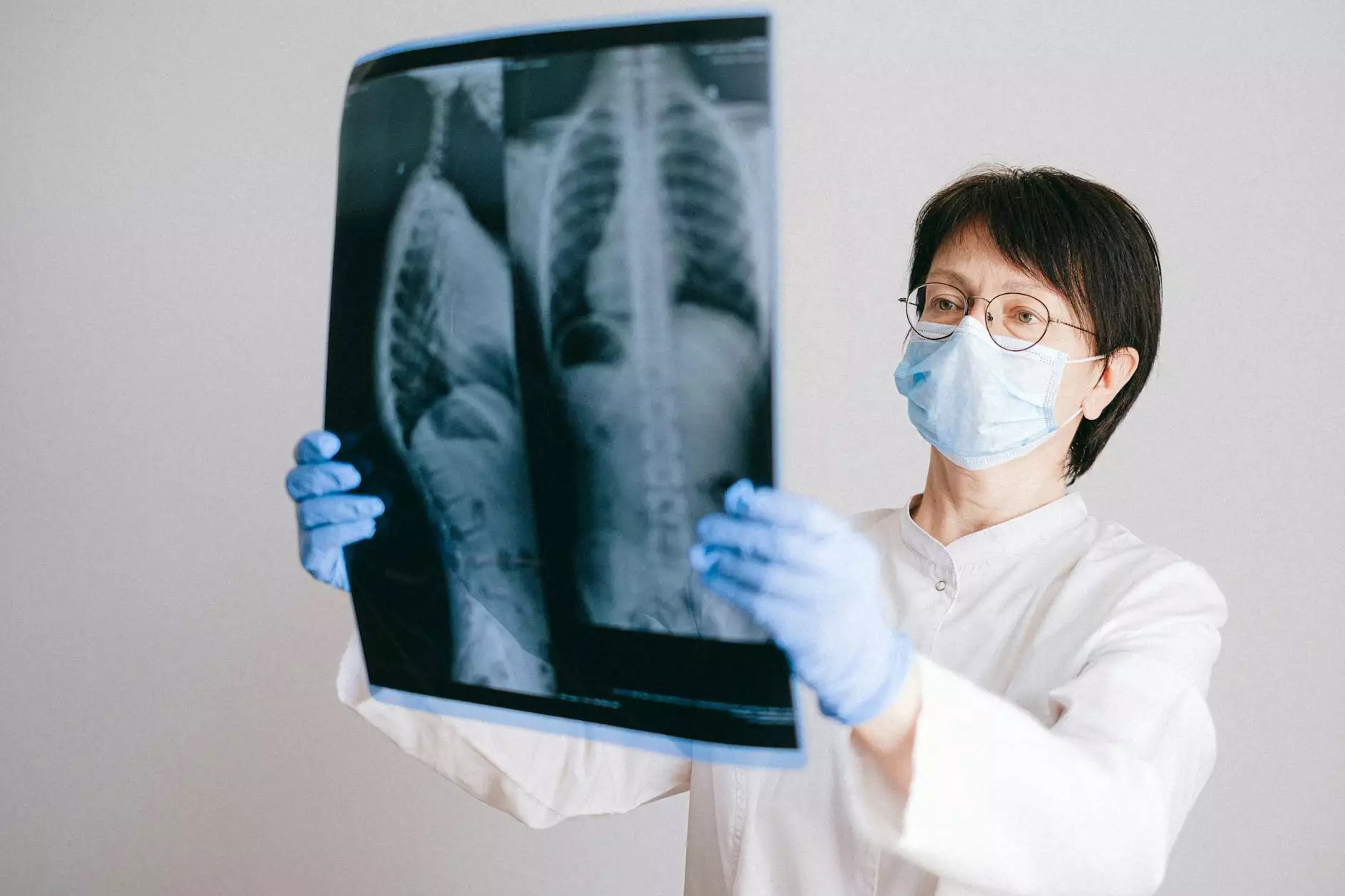
- Imaging Tests: X-rays or ultrasound may be conducted to determine if there are deeper issues.
- Blood Tests: To check kidney, liver, and heart function, as well as electrolyte levels.
Treatment Options for Foot Swelling
Treatment will vary depending on the underlying cause of your foot swelling. Here are some common strategies:
- Dietary Changes: Reducing sodium intake can help manage fluid retention.
- Medications: Diuretics may be prescribed to help expel excess fluid.
- Compression Therapy: Wearing compression socks can assist with circulation and reduce swelling.
- Elevation: Keeping feet elevated can help lessen swelling, especially after prolonged sitting or standing.
- Physical Activity: Regular movement can improve circulation and prevent fluid build-up.
- Treating Underlying Conditions: If a specific medical condition is identified, treating that condition can often resolve the swelling.
Home Remedies for Foot Swelling
In addition to professional medical treatment, several home remedies can help alleviate foot swelling:
- Soaking Feet: Soaking your feet in cool water can provide relief.
- Herbal Tea: Drinking herbal teas like dandelion or green tea can help reduce swelling due to their natural diuretic properties.
- Massage: Gently massaging swollen feet can increase circulation and reduce stiffness.
- Essential Oils: Diluting lavender or peppermint oil and applying it to the feet can offer soothing relief.
Prevention Strategies
Taking proactive measures can help prevent foot swelling before it occurs. Here are some effective prevention strategies:
- Stay Hydrated: Proper hydration helps regulate fluid balance in the body.
- Maintain a Healthy Weight: Excess weight can increase pressure on the veins in your legs.
- Active Lifestyle: Engage in regular physical activity to promote circulation.
- Monitor Salt Intake: Limiting salt can prevent water retention.
- Regularly Change Positions: Avoid sitting or standing for prolonged periods without moving.
Conclusion
Experiencing foot swelling for no reason can be alarming, but understanding its potential causes and solutions is crucial. Whether it's a minor issue or a symptom of a more serious condition, seeking appropriate medical advice and making lifestyle adjustments can help manage and prevent foot swelling effectively. At Truffles Vein Specialists, we specialize in vascular health and can provide expert guidance on managing foot swelling and related concerns.
Remember, your health is your wealth, and taking proactive steps for your vascular health is essential for a better quality of life.