cbcmp3.com / Journal
Mastering Short Film Production: A Comprehensive Guide
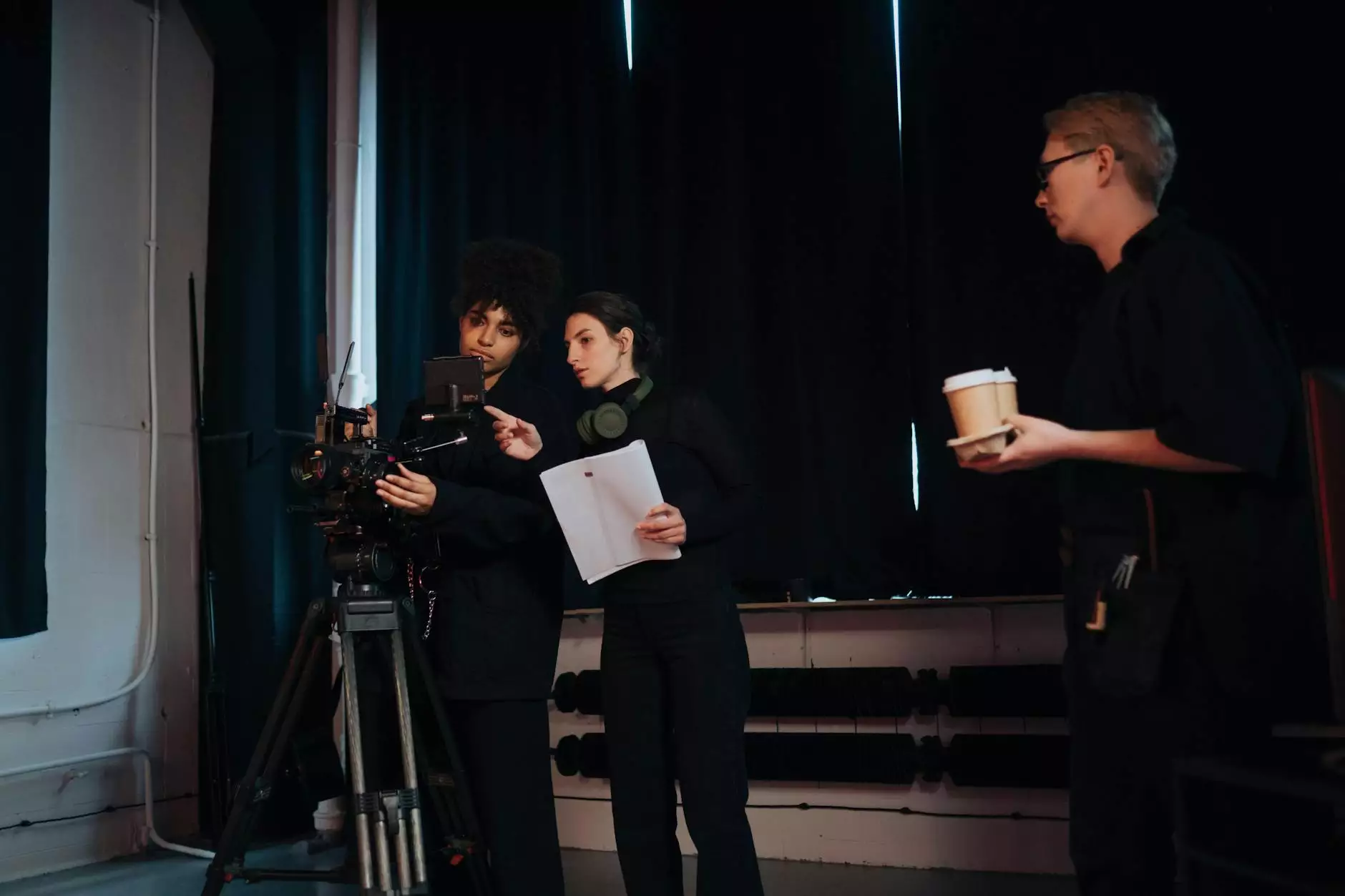
Short film production is a magical blend of creativity, storytelling, and technical artistry. In recent years, the rise of digital platforms and social media has created a vibrant ecosystem for filmmakers. With an increasing number of audiences craving bite-sized content, short films have emerged as a powerful medium to convey impactful messages and captivating stories in a concise format.
Understanding Short Film Production
When we talk about short film production, we are referring to the entire process of creating a film that typically lasts between 1 and 40 minutes. This format challenges filmmakers to express their story effectively within a limited timeframe. It requires a keen understanding of story structure, character development, and cinematic techniques.
The Importance of Strong Storytelling
At the heart of every successful short film lies strong storytelling. This involves not only crafting an engaging narrative but also making sure that the story resonates with the audience. To create a compelling short film, consider the following elements:
- Theme: What message do you want to convey?
- Character Development: Who are your characters and what motivates them?
- Conflict: What challenges do they face and how do they resolve them?
- Resolution: How does the story come to a satisfying close?
Pre-Production: Laying the Groundwork for Success
The pre-production phase is critical in short film production. It's when you outline your ideas, create a script, and gather your crew. Here are the key components to focus on during this stage:
1. Scriptwriting
The script is the backbone of your short film. A well-crafted script should include:
- Clear Dialogue: Ensure that your characters speak in a way that feels natural and authentic.
- Visual Storytelling: Use visual elements to contribute to the narrative and engage the audience.
- Conciseness: Every scene and line should serve a purpose, keeping the story tight and focused.
2. Storyboarding and Shot Lists
Storyboarding is a helpful technique that allows you to visualize your film shot by shot. It not only aids in planning your film but also establishes a clear vision for the cinematographer and crew. Create a shot list that details:
- Camera angles
- Framing and composition
- Lighting settings
- Timing for each shot
3. Assembling Your Team
No great film is made alone. Collaborate with talented individuals who share your vision, including:
- Directors: Lead the creative vision of the film.
- Cinematographers: Capture the visuals in accordance with your storyboard.
- Editions: Crucial for post-production, they need to understand your narrative pace.
- Sound Designers: Create an auditory experience that enhances storytelling.
Production: Bringing Your Vision to Life
Once pre-production is complete, it’s time for the thrilling phase of actual filming. This is where your ideas take physical form. Keep the following in mind during production:
1. Directing Actors
Directing is more than just overseeing the filming process. As a director, you must:
- Communicate your vision clearly
- Foster a comfortable environment for actors
- Encourage improvisation when necessary
2. Capturing High-Quality Footage
Quality footage is essential for post-production. Pay attention to:
- Lighting: Proper lighting can dramatically alter the mood and quality of your film.
- Angles: Experiment with different camera angles to make your story visually interesting.
- Sound: Ensure clear audio is captured, as it’s a vital part of storytelling.
Post-Production: Editing Your Short Film
After filming, the next step is to piece together your film in post-production. This stage involves:
1. Video Editing
Editing is where the magic happens. Utilize software like Adobe Premiere Pro or Final Cut Pro to:
- Trim the footage for pacing.
- Assemble the scenes according to your storyboard.
- Incorporate transitions and effects to enhance storytelling.
2. Sound Design and Music
Sound design can elevate your film. Consider adding:
- Background music that complements the mood.
- Sound effects that enhance the realism of scenes.
- Voiceovers if necessary to narrate parts of the story.
The Role of Film Festivals in Short Film Production
Once your short film is complete, showcasing it at film festivals can provide significant exposure. Festivals are an excellent platform for:
- Networking with other filmmakers.
- Receiving valuable feedback from audiences and critics.
- Potentially winning awards that can elevate your career.
Distribution: Reaching Your Audience
Distribution is crucial for getting your film in front of viewers. Explore various platforms like:
- YouTube: Ideal for reaching a broad audience.
- Vimeo: Offers a professional touch for filmmakers.
- Film Festivals: Provides opportunities for live screenings.
The Future of Short Film Production
The world of short film production is constantly evolving. With technology advancing rapidly, filmmakers now have more tools and platforms at their disposal. Here are a few trends shaping the future:
- Virtual Reality (VR): Offers immersive storytelling experiences.
- Mobile Filmmaking: Smartphones are becoming powerful tools for filmmakers.
- Social Media Platforms: Brands and creators are increasingly using short films for engagement.
Conclusion: Crafting Your Short Film Journey
Embarking on a journey in short film production requires passion, dedication, and an understanding of both artistic and technical aspects. It’s a process of continual learning and growth. Whether you are a seasoned filmmaker or a newcomer, embracing the challenges and opportunities of creating short films will undoubtedly enrich your storytelling skills and captivate audiences worldwide.
If you're interested in exploring this exciting realm further, consider visiting esteban-castle.com for resources, inspiration, and community support. Remember, every great filmmaker started somewhere, and your story could be the next big thing in the world of film.