cbcmp3.com / Journal
Understanding the Diagnostic Hysteroscopy Procedure
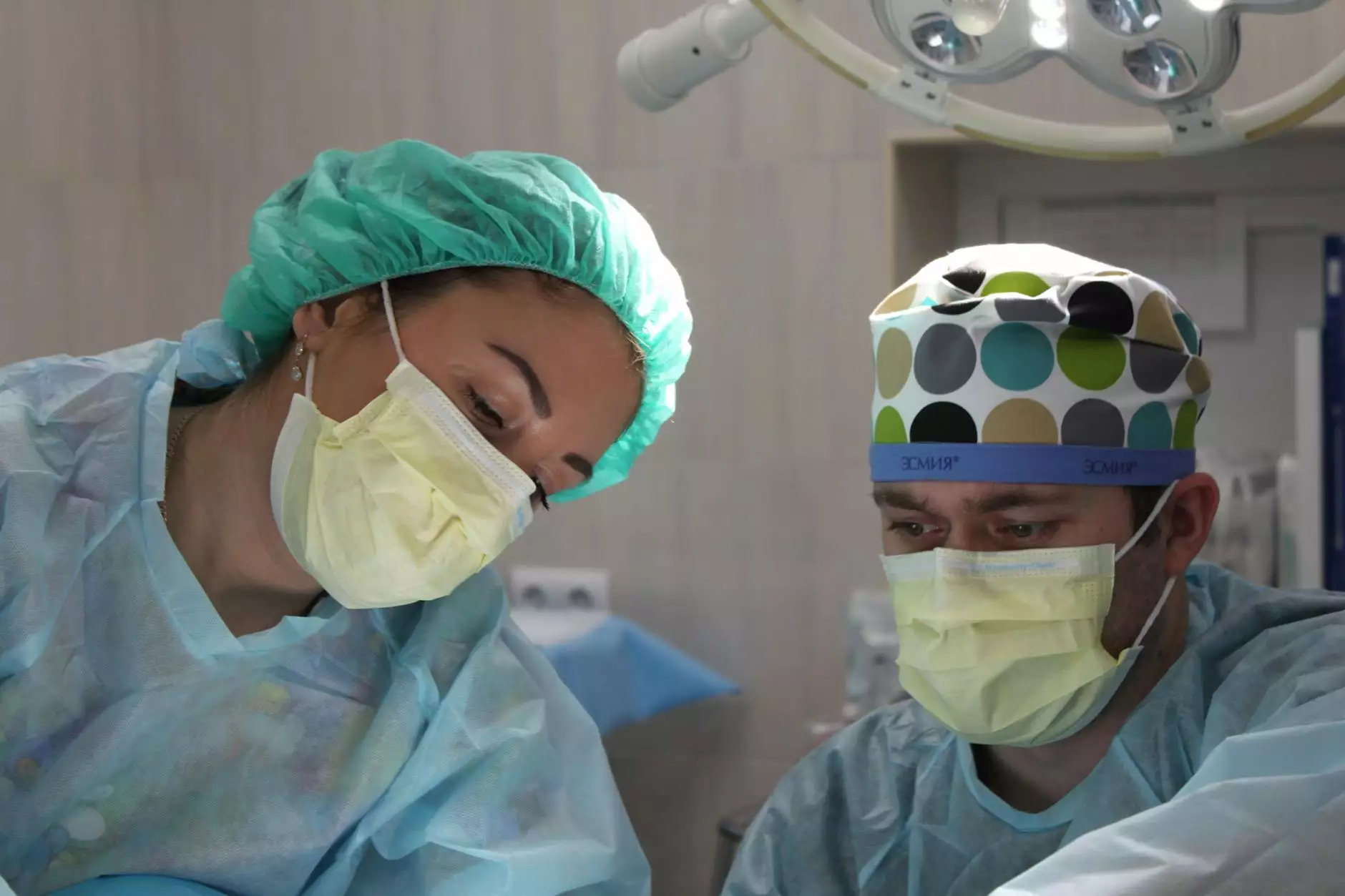
The diagnostic hysteroscopy procedure is a minimally invasive technique used by healthcare professionals, particularly in the field of obstetrics and gynecology, to examine the interior of the uterus. This procedure plays a crucial role in diagnosing many uterine conditions, including abnormal bleeding, fibroids, polyps, and abnormal uterine anatomy. Through this article, we delve deep into the intricacies of the diagnostic hysteroscopy procedure, highlighting its importance, benefits, and what patients can expect throughout the process.
What is Diagnostic Hysteroscopy?
Diagnostic hysteroscopy involves the use of a hysteroscope, a thin, lighted tube equipped with a camera that is inserted through the vagina and cervix into the uterus. This allows the gynecologist to visualize the uterine cavity in real-time and identify any abnormalities or issues that may require further investigation or treatment. The procedure is generally performed in an outpatient setting, making it a convenient option for patients.
Indications for the Procedure
There are several reasons why a healthcare provider might recommend a diagnostic hysteroscopy procedure. Common indications include:
- Abnormal Uterine Bleeding: To investigate causes of heavy or irregular bleeding.
- Uterine Fibroids: To assess fibroids and their impact on uterine health.
- Polyps: To examine and possibly remove uterine polyps.
- Infertility Investigations: To evaluate potential intrauterine factors contributing to infertility.
- Abnormal Pap Smear Results: To further investigate any anomalies.
Preparing for the Diagnostic Hysteroscopy Procedure
Preparation for the diagnostic hysteroscopy procedure is crucial to ensure a smooth experience. Patients can expect the following preparatory steps:
Initial Consultation
During the initial consultation, the physician will review the patient’s medical history and conduct a physical examination. This is also the time for the patient to discuss any concerns or questions regarding the procedure, including potential risks and benefits.
Pre-Procedure Instructions
Typically, the medical provider will suggest the following guidelines:
- Avoiding sexual intercourse a few days before the procedure.
- Not using tampons or vaginal medications before the hysteroscopy.
- Taking prescribed medications or antibiotics if necessary.
- Arranging for a ride home after the procedure, as sedation may be used.
The Procedure Itself
The diagnostic hysteroscopy procedure usually takes between 30 minutes to an hour. Here’s a detailed breakdown of what to expect during the procedure:
Administration of Anesthesia
Depending on the complexity of the procedure and the patient’s comfort level, different types of anesthesia may be used:
- Local Anesthesia: Numbs the cervix and uterus.
- Conscious Sedation: Keeps the patient relaxed while awake.
- General Anesthesia: Results in complete unconsciousness for more extensive cases.
Insertion of the Hysteroscope
The physician gently inserts the hysteroscope through the vaginal canal and cervix into the uterine cavity. The hysteroscope uses saline solution or carbon dioxide to expand the uterus for better visibility.
Visualization and Diagnosis
Once the hysteroscope is in place, the physician examines the uterine walls for:
- Abnormal Growths: Such as fibroids and polyps.
- Uterine Shape: To check for any congenital abnormalities.
- Endometrial Lining: Assessing the thickness of the lining.
Possible Interventions
If abnormalities are detected, the physician may also perform minor procedures during the same visit, including:
- Biopsy: To take samples of uterine tissue.
- Polypectomy: Removal of polyps.
- Myomectomy: Removal of fibroids.
Post-Procedure Care
After the diagnostic hysteroscopy procedure, patients will be monitored for a short period before being discharged. Here are some common post-procedure guidelines:
Recovery Time
Most patients can resume normal activities within a day or two. However, some may experience mild cramping or bleeding, which is typically normal.
Follow-Up Appointment
The physician will schedule a follow-up appointment to discuss the findings from the hysteroscopy and recommend any further treatments if necessary.
Benefits of Diagnostic Hysteroscopy
The diagnostic hysteroscopy procedure offers several advantages over traditional diagnostic methods:
- Minimally Invasive: It is less invasive compared to standard surgical techniques.
- Real-Time Visualization: Provides immediate results and a clear view of the uterine condition.
- Quick Recovery: Most patients can return to their daily activities sooner.
- Therapeutic Options: Allows for simultaneous treatment such as removing polyps or fibroids.
Conclusion
In summary, the diagnostic hysteroscopy procedure is a vital tool in modern gynecological practice. By allowing healthcare providers to gain invaluable insights into uterine health, it helps in diagnosing conditions that could impact a woman’s reproductive health and overall well-being. If you are facing symptoms that necessitate this procedure, consult a qualified healthcare provider to discuss it further.
For more information on the diagnostic hysteroscopy procedure or to schedule a consultation, visit drseckin.com. Your journey to understanding your reproductive health starts here.