cbcmp3.com / Journal
Understanding Oak Firewood Prices: A Comprehensive Guide
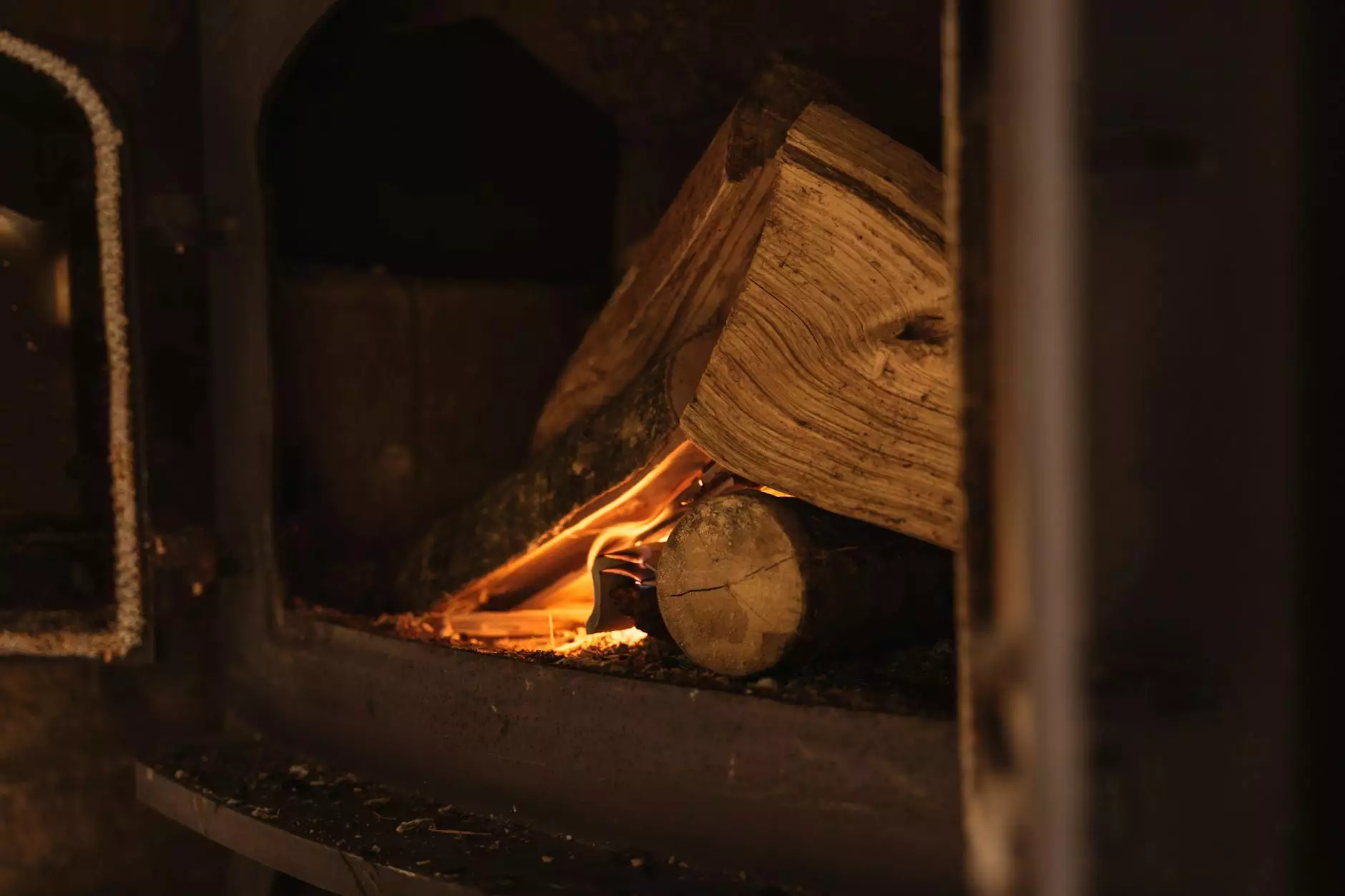
Oak firewood has become a highly sought-after resource for homeowners, outdoor enthusiasts, and businesses alike. As discussions surrounding sustainable living and the importance of renewable resources gain traction, understanding the dynamics of oak firewood prices is increasingly vital. This article aims to provide an in-depth look at the factors influencing these prices, tips for sourcing quality firewood, and insights into the overall market trends that affect timber merchants and wood suppliers like woodtraderssro.com.
What Determines Oak Firewood Prices?
Multiple factors influence the pricing of oak firewood, and understanding these can help you make more informed purchasing decisions. Here are some of the key factors:
- Supply and Demand: The basic economic principle that governs any market applies to oak firewood as well. In areas where demand exceeds supply, prices will naturally rise. Conversely, an oversupply can drive prices down.
- Quality of the Wood: Not all oak firewood is created equal. High-quality, well-seasoned oak that is free of pests and diseases will command higher prices compared to lower-quality options.
- Geographical Location: Prices can vary significantly based on regional availability and local market conditions. For example, areas with abundant oak trees might offer lower prices due to easier access and lower transportation costs.
- Time of Year: Seasonal fluctuations are common in the firewood market. Prices tend to rise during the colder months when demand spikes, while the summer months may offer lower prices as demand decreases.
- Delivery and Handling Costs: If you're sourcing from a supplier that offers delivery services, consider the additional costs involved. Some suppliers may charge extra for transportation, which can affect the final price you pay.
Understanding Oak Firewood Quality
The quality of oak firewood is paramount to its efficiency as a heating source. Here’s what you need to know:
Seasoning
Seasoned wood is wood that has been dried out and cured over time. Properly seasoned oak firewood typically has a moisture content of below 20%. Seasoned wood burns hotter and more cleanly, producing less smoke and fewer emissions. Here are some tips to identify seasoned oak firewood:
- Color: Look for dark-colored bark and a lighter interior.
- Sound: When you knock two pieces together, seasoned wood tends to produce a hollow sound.
- Cracks: Well-seasoned logs will often show visible cracks along the end grain.
Types of Oak Firewood
There are numerous species of oak, but two of the most popular for firewood are:
- White Oak: Known for its excellent burning qualities, it generates high heat and produces minimal smoke.
- Red Oak: Slightly easier to split, red oak is also a good choice but may produce more smoke than white oak.
How to Find the Best Oak Firewood Suppliers
Finding high-quality oak firewood at competitive prices requires diligent research. Here are some effective strategies to help you locate reputable suppliers:
Online Research
Start by conducting a search for oak firewood prices in your area. Visit supplier websites, like woodtraderssro.com, where you can often find pricing, availability, and delivery options. Online platforms can offer comparative pricing and user reviews to help gauge quality.
Local Timber Merchants
Local timber merchants often have knowledge of the best firewood sources and can provide insights into local market dynamics. Pay them a visit and ask about their oak firewood offerings, including prices and delivery options.
Word of Mouth
Ask friends, family, and neighbors for recommendations. Many times, personal experiences will lead you to reliable suppliers who offer quality firewood. Social media platforms and local community forums can also be useful for garnering leads.
The Financial Aspect: Understanding Firewood Pricing
The average cost of oak firewood varies based on several factors discussed earlier. However, to give you a clearer picture, here are some general pricing ranges:
- Full Cord: Typically ranges from $250 to $500, depending on quality and location.
- Half Cord: Usually falls between $125 to $250.
- Delivery Fees: Can add $50 to $100, depending on distance and supplier policies.
Keep in mind that purchasing in bulk, such as a full cord, often results in lower prices per unit compared to smaller quantities.
Cost-Effective Tips for Purchasing Oak Firewood
To maximize your investment while ensuring you get quality oak firewood, consider these tips:
Buy in Bulk
If you have enough storage space, buying in bulk can significantly reduce your overall costs. Many suppliers offer discounts for larger orders.
Purchase Seasonally
Timing your purchase can lead to substantial savings. Buying firewood during off-peak seasons (like summer) can sometimes yield discounted prices.
Consider Local Alternatives
Investigate local firewood sellers who cut and season their wood. Often, these small-scale suppliers can provide high-quality wood at competitive rates.
Environmental Considerations
As you think about purchasing oak firewood, it’s important to consider the environmental implications. Sustainable sourcing practices ensure that the forests from which the wood is harvested can continue to thrive. Here are a few considerations:
- Sustainable Harvesting: Always ask your supplier about their sourcing methods. Sustainable cutting practices help maintain forest health.
- Regional Sourcing: Purchasing locally can minimize transportation emissions, which is better for the environment.
- Certification: Look for wood products that come from certified sources, such as those certified by the Forest Stewardship Council (FSC).
Future Trends in Oak Firewood Pricing
The market for oak firewood is evolving. Factors such as climate change, changes in consumer preferences, and advancements in wood processing technology are likely to impact prices moving forward. Here's what to keep an eye on:
Environmental Regulations
As regulations surrounding emissions continue to tighten, the demand for cleaner burning wood will grow. This could drive up prices for high-quality oak firewood, which tends to burn cleaner compared to other types.
Market Fluctuations
Global events, such as pandemics or natural disasters, can disrupt supply chains. Being aware of such events can help you anticipate changes in oak firewood prices.
Technological Advancements
Emerging technologies in the wood industry may lead to more efficient wood processing and better use of resources, potentially stabilizing prices.
Conclusion
Understanding oak firewood prices is crucial for making informed purchasing decisions. By considering the factors that affect pricing, identifying quality wood, and sourcing from reputable suppliers like woodtraderssro.com, you can ensure that you are getting the best value for your investment. As the demand for oak firewood continues to rise, anticipate future trends that may reshape the market landscape.
By adopting sustainable practices and making strategic buying choices, you not only secure warmth for your home but also support the health of our forests for generations to come.