cbcmp3.com / Journal
UAE Architecture: Transforming Skylines with Innovative Interior Design & Expert Architects
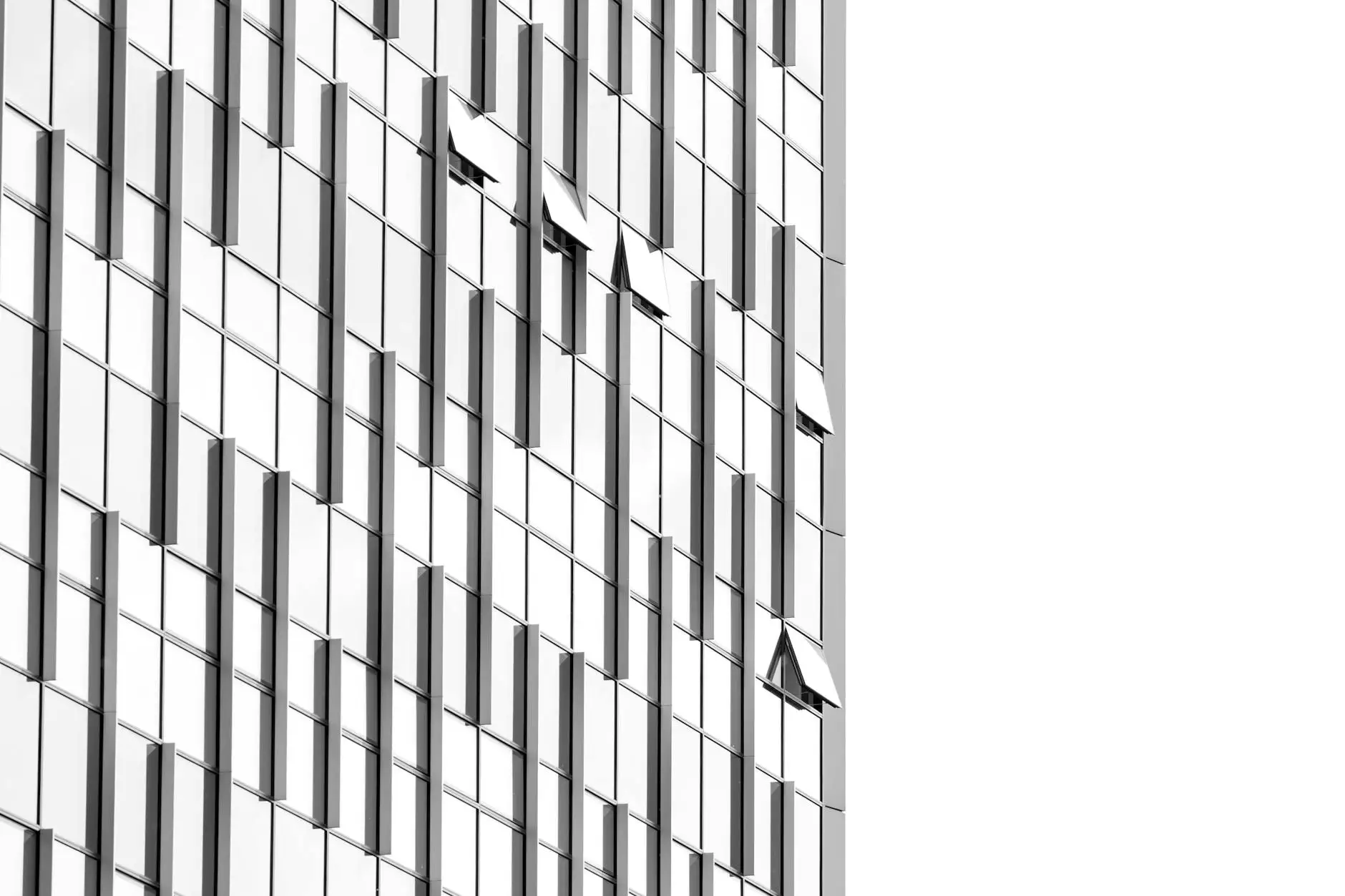
The United Arab Emirates (UAE) has emerged as a global hub for architectural innovation and excellence, showcasing some of the most iconic and awe-inspiring structures in the world. From towering skyscrapers to opulent residential complexes and state-of-the-art commercial spaces, UAE architecture exemplifies a fascinating fusion of traditional Arab design elements with groundbreaking modern technologies. This development is not merely about physical structures but also a reflection of the country's commitment to creating sustainable, intelligent, and aesthetically stunning environments. The continuous evolution of UAE architecture has positioned the nation at the forefront of global architectural discourse, driven by visionary architects and sophisticated interior design approaches.
The Evolution of UAE Architecture: From Tradition to Modernity
The history of UAE architecture is deeply ingrained in its rich cultural heritage, with intricate arabesque patterns, mashrabiya screens, and courtyards defining traditional Arab design. Over the decades, rapid urbanization and economic prosperity, especially after the discovery of oil, catalyzed a paradigm shift towards modern architecture that balances aesthetics with functionality.
Today’s UAE architecture is characterized by the innovative use of materials such as glass, steel, and concrete, coupled with sustainable building practices. The iconic Burj Khalifa in Dubai, standing at 828 meters, is a prime example of how innovative architectural design can redefine city skylines, while principles of energy efficiency and environmental consciousness are seamlessly integrated into contemporary projects.
Key Factors Driving UAE Architectural Innovation
The remarkable advancements in UAE architecture are fueled by various strategic factors:
- Government Vision and Support: National initiatives and policies promote sustainable buildings and innovative urban planning, fostering a conducive environment for architectural experimentation.
- Private Sector Investment: Major developers and investors seek futuristic designs, leading to the development of landmark projects and luxurious developments.
- Technological Advancements: Integration of Building Information Modeling (BIM), smart building systems, and renewable energy solutions enhances the functionality and sustainability of structures.
- International Collaboration: The UAE attracts top-tier architects and design firms worldwide, encouraging cross-cultural exchange and creative synergy.
Innovative Interior Design Trends Shaping UAE Architecture
Interior design in the UAE is more than just aesthetics; it is about creating immersive environments that reflect luxury, elegance, and cultural identity. The integration of modern technologies with traditional motifs results in interior spaces that are both functional and inspiring.
Some prominent interior design trends in the UAE include:
- Luxury and Opulence: Use of premium materials like marble, gold accents, and bespoke furniture to create lavish interiors.
- Smart Interiors: Incorporation of IoT devices for lighting, climate control, and security, offering residents and users a seamless experience.
- Biophilic Design: Integrating natural elements such as indoor gardens, water features, and natural lighting to promote well-being.
- Cultural Fusion: Merging traditional Middle Eastern motifs with contemporary styles, creating spaces that celebrate heritage while embracing modernity.
The Role of Architects in Shaping UAE’s Architectural Landscape
Architects in the UAE play an instrumental role in translating visionary ideas into reality. Leading firms employ innovative design strategies, eco-conscious solutions, and cutting-edge technology to craft structures that stand as landmarks and symbols of national pride.
Some notable architectural firms contributing to the dynamic UAE architecture scene include:
- Gensler: Known for designing sustainable and iconic projects across the Middle East.
- Foster + Partners: Responsible for creating some of the most futuristic and innovative skylines.
- HOK: Specializing in large-scale urban developments and sustainable buildings.
- Hyde + Hyde Architects: Expertise in blending traditional Arab influences with modern design principles.
Iconic Projects Showcasing the Pinnacle of UAE Architecture
The UAE’s architectural achievements are exemplified by a portfolio of world-renowned projects that demonstrate innovation, sustainability, and cultural expression:
Burj Khalifa – Dubai
Standing as the tallest building in the world, Burj Khalifa is a marvel of engineering and design, embodying the spirit of progress and ambition. Its sleek, tapering form is inspired by traditional Islamic architecture, while its technologically advanced systems ensure energy efficiency and environmental sustainability.
The Louvre Abu Dhabi
This cultural landmark showcases the convergence of art, architecture, and environmental design, featuring a stunning geodesic dome that allows natural light to filter through, creating a “rain of light” effect within the space. It exemplifies UAE’s commitment to cultural dialogue and architectural excellence.
The Du Playa Towers – Dubai
Known for their futuristic design and sustainable features, the Du Playa Towers set new standards for luxurious living and urban innovation in the UAE architecture scene.
Sustainable and Green Architecture in the UAE
As global consciousness about climate change increases, the UAE is proactively adopting sustainable architecture principles. Dubai’s Sustainable City and Masdar City in Abu Dhabi are pioneering examples, where green roofs, solar power, water recycling, and smart energy management systems are integrated into urban fabric.
These initiatives aim to reduce carbon emissions, conserve natural resources, and promote a healthier living environment, aligning with the national vision for a sustainable future.
The Future of UAE Architecture: Innovation and Sustainability
Looking forward, UAE architecture will continue to push boundaries with emerging technologies like 3D printing, modular construction, and artificial intelligence. Adaptive, resilient structures that respond to climate challenges and urban needs are expected to dominate future projects.
The integration of cultural heritage with futuristic design will remain a core theme, ensuring that every new development reflects the nation’s identity and aspirations. Interior design will evolve alongside architecture, emphasizing personalized, smart, and eco-friendly spaces that cater to the diverse needs of residents and commercial users.
Conclusion: UAE Architecture as a Beacon of Innovation and Cultural Elegance
The ongoing transformation of the UAE architecture landscape exemplifies the nation's unwavering commitment to innovation, sustainability, and cultural expression. From iconic skyscrapers to sophisticated interior environments, each project reflects a symbiosis of technical excellence and artistic vision.
As architects and interior designers continue to draw inspiration from rich traditions and cutting-edge technology, the UAE will undoubtedly remain a leading force in global architecture—setting standards, inspiring new ideas, and shaping cityscapes that are both beautiful and sustainable.
For businesses, investors, and residents alike, this dynamic architecture scene offers endless opportunities to be part of a future built on innovation, elegance, and strategic sustainability.