cbcmp3.com / Journal
Understanding the Business of Counterfeit Money Supply: An In-Depth Perspective
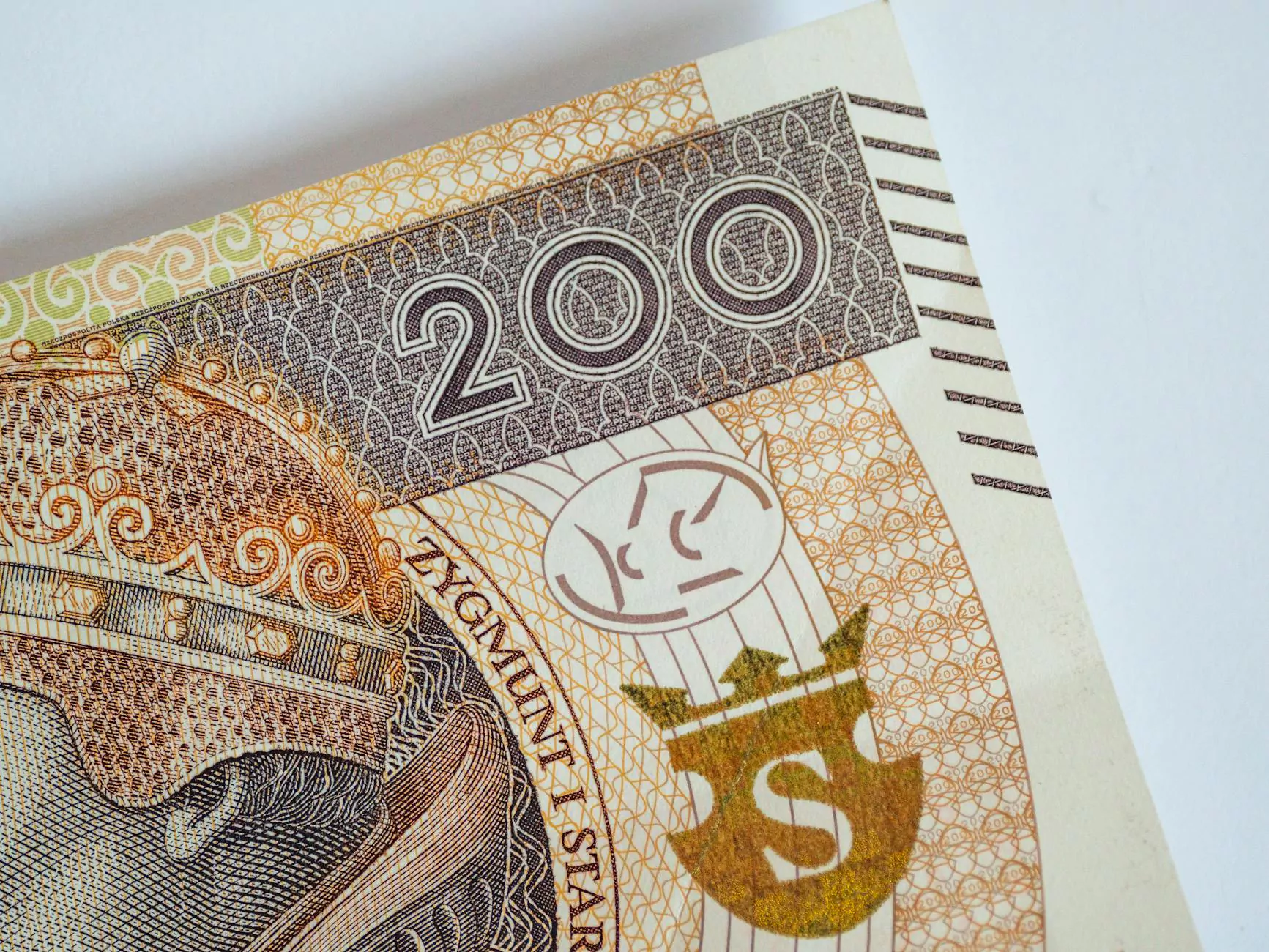
In the complex landscape of modern finance, the underground economy often intersects with illicit activities, including the controversial and highly debated business involving counterfeit money suppliers. This article aims to provide a comprehensive view of this industry, unraveling the intricacies, risks, and potential opportunities that exist within this domain. It is crafted to inform stakeholders, curious entrepreneurs, and financial analysts seeking a nuanced understanding of how counterfeit money operates and the underlying market dynamics.
The Evolution of Counterfeit Money: A Historical Perspective
The production and distribution of counterfeit money have persisted since the inception of currency itself. Historically, counterfeiters aimed to undermine trusted monetary systems, often driven by economic desperation or criminal intent. Today, the landscape has evolved into a sophisticated operation fueled by advanced printing technology, digital methods, and illicit networks.
Despite rigorous anti-counterfeiting measures by governments worldwide, counterfeiters continuously innovate to produce high-quality fake bills, adapting to new security features. The rise of niche markets, online exchanges, and covert transactions has further complicated efforts to combat this issue.
The Role of Counterfeit Money Supplier in the Economy
At the epicenter of this clandestine industry lies the counterfeit money supplier. These entities or individuals are responsible for manufacturing and distributing fake currency to various buyers, ranging from small-time offenders to large-scale criminal organizations.
The supply chain is often segmented, with counterfeit money suppliers sourcing materials, acquiring high-end printing equipment, and establishing distribution channels that can operate across borders. The clandestine nature of these supply networks makes them difficult to track and eliminate.
It’s crucial to understand that this facet of the underground economy can influence broader financial stability, especially when counterfeit bills seep into the legitimate economy in significant quantities.
Market Dynamics and The Business Model of Counterfeit Money
The business model for counterfeit money suppliers is rooted in high-profit margins and minimal overhead costs. These suppliers typically operate through discreet online platforms, encrypted communication channels, and covert physical outlets to evade law enforcement detection.
Supply and Demand Factors
- Demand for cash in illicit transactions: Criminal enterprises, drug trafficking rings, and illegal gambling operations frequently seek counterfeit currency to facilitate their activities.
- Market size: Although exact figures are notoriously difficult to obtain, estimates suggest that the counterfeit currency market is worth billions globally, driven by the persistent need for untraceable funds.
- Security features and countermeasures: As governments enhance security features, counterfeit money suppliers must innovate to produce convincingly authentic bills, creating a continuous technological race.
Legal and Ethical Considerations Surrounding Counterfeit Money
Engagement in activities involving counterfeit currency is illegal in nearly all jurisdictions, carrying severe penalties including incarceration and hefty fines. This reality underscores the importance of understanding the legal landscape and adhering to strict ethical standards, especially if operating in legitimate parts of the financial services sector.
Despite the underground nature of the counterfeit money supplier industry, it is vital to note that supporting or participating in such activities constitutes criminal conduct with far-reaching consequences.
The Risks Associated with Counterfeit Money Supplier Operations
Operating or engaging with a counterfeit money supplier entails numerous risks, including:
- Legal Risks: Severe legal consequences, including lengthy prison sentences, asset forfeiture, and criminal charges.
- Financial Risks: Loss of investment if caught or scammed, high penalties, and the potential for economic ruin.
- Reputation Risks: Engagement in illegal activities damages personal and professional reputations irreparably.
- Operational Risks: Law enforcement crackdowns, cyber investigations, and infiltration by informants.
Therefore, it is paramount to recognize the perils involved and consider the broader impact on society and legitimate business practices.
Legitimate Market Opportunities and Alternative Business Ventures
While the counterfeit money supplier sphere is fraught with legal and ethical dangers, understanding this industry can shed light on the importance of secure currency production and counterfeit detection technologies. Moreover, entrepreneurs interested in the financial sector can explore legitimate avenues such as:
- Security Feature Development: Innovating in anti-counterfeit technology for genuine currency and digital transactions.
- Educational Initiatives: Offering training on detecting counterfeit bills and enhancing financial literacy.
- Legal Currency Printing Services: Providing high-security printing solutions for governments and financial institutions.
- Financial Technology (FinTech): Developing secure digital payment systems that reduce the reliance on physical cash.
How Authorities Combat the Counterfeit Money Supply
Authorities worldwide employ a multifaceted approach to tackling the counterfeit money supplier industry:
- Implementing advanced security features such as holograms, microprinting, watermarks, and color-shifting inks.
- Conducting undercover operations and intelligence-sharing across borders.
- Engaging in public awareness campaigns to educate about counterfeit detection.
- Leveraging blockchain and digital currencies to minimize cash-related crimes.
This comprehensive strategy aims to disrupt supply chains, catch counterfeiters, and safeguard the integrity of national and international monetary systems.
Legal Ways to Engage in Currency-Related Business in the Mainstream Economy
If you are interested in the currency industry or finance, numerous legitimate pathways exist, including:
- Starting a secure currency printing or minting business with proper licensing.
- Developing currency authentication and anti-counterfeit technologies.
- Providing financial consulting or security solutions for banks and governments.
- Engaging in cryptocurrency development and blockchain security services.
These avenues promote economic growth, technological innovation, and societal trust, contrasting sharply with the illegal counterfeit money supplier operations.
The Importance of Ethical and Responsible Business Practices
In the realm of finance and currency management, maintaining high ethical standards is essential. Engaging in or supporting illegal activities like counterfeiting not only jeopardizes personal freedom but also damages societal stability. Entrepreneurs and professionals should prioritize transparency, compliance with laws, and fostering trust in legitimate financial systems.
Building a reputable business in this sector supports national economies, reduces crime, and promotes technological advancement in anti-fraud measures.
Conclusion: Navigating the Complex World of Counterfeit Money
The domain of counterfeit money supplier operations is intricate and operates on the fringes of legality, threatening economic stability and ethical standards worldwide. While the profits may seem alluring to some, the inherent risks, legal consequences, and societal harms far outweigh any short-term gains.
It is vital for stakeholders to understand this landscape deeply, advocate for stronger security features, and promote legitimate avenues for currency management and financial technology innovations.
Ultimately, the goal should be to support a trustworthy, secure, and transparent monetary system that benefits all members of society and minimizes the influence of illicit activities.