cbcmp3.com / Journal
Fibroid Removal Before and After: A Comprehensive Guide to Transformation and Healing
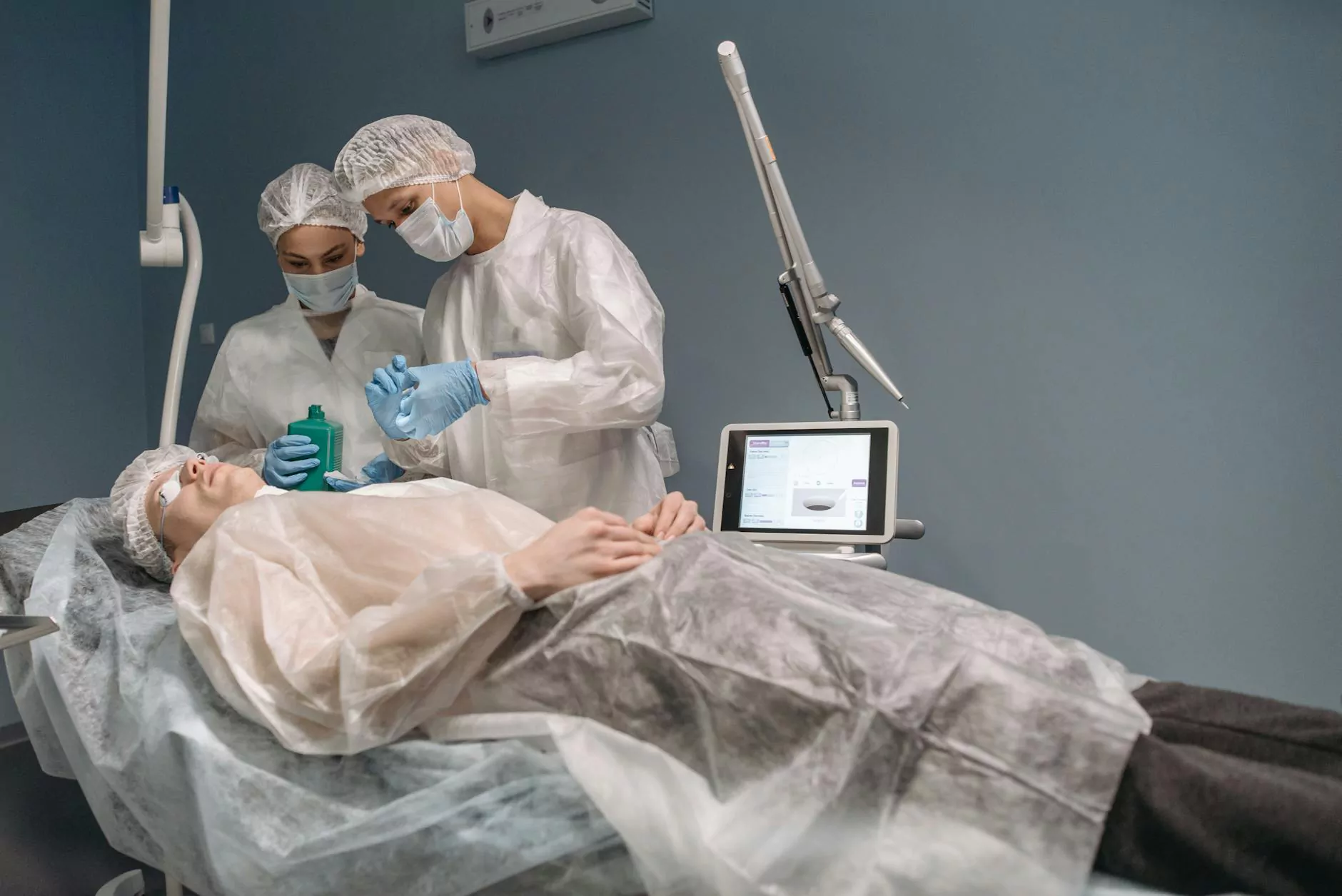
Uterine fibroids are among the most common benign tumors affecting women of reproductive age, often leading to symptoms such as heavy menstrual bleeding, pelvic pressure, pelvic pain, and reproductive challenges. While these growths are typically non-cancerous, they can significantly impact a woman’s quality of life. Fortunately, advancements in medical technology have made fibroid removal increasingly effective, minimally invasive, and with promising *before and after* outcomes.
Understanding Uterine Fibroids and Their Impact
What Are Uterine Fibroids?
Uterine fibroids, also known as leiomyomas or myomas, are non-cancerous growths that develop in the muscular wall of the uterus. They vary in size from very small (less than a centimeter) to large masses exceeding 10 centimeters. Fibroids can be singular or multiple, and their location within the uterus can influence symptoms and treatment options.
Common Symptoms and Effects
- Heavy Menstrual Bleeding: Prolonged or excessive menstrual flow leading to anemia in severe cases.
- Pelvic Pressure or Pain: A sensation of fullness or discomfort, especially during intercourse or physical activity.
- Urinary Issues: Pressing against the bladder causing frequent urination.
- Reproductive Challenges: Infertility, miscarriage, or complications during pregnancy.
Why Consider Fibroid Removal?
While some women with fibroids remain asymptomatic, persistent symptoms often necessitate intervention. Fibroid removal not only alleviates symptoms but also restores reproductive and overall health, markedly improving *quality of life*.
Effective Fibroid Removal Techniques
Modern gynecological surgery offers several methods tailored to the size, location, and number of fibroids, as well as patient desires regarding fertility. The most prevalent techniques include:
Myomectomy
This surgical procedure involves excising fibroids while preserving the uterus. It is favored for women planning future pregnancies. It can be performed via:
- Laparotomy: Traditional open surgery, typically reserved for large or multiple fibroids.
- Laparoscopic Myomectomy: Minimally invasive approach with smaller incisions, shorter recovery.
- Hysteroscopic Myomectomy: Transcervical removal suitable for fibroids within the uterine cavity.
Uterine Artery Embolization (UAE)
A minimally invasive procedure that blocks blood flow to fibroids, causing them to shrink. Ideal for women who seek symptom relief without surgery, but not suitable if pregnancy is desired.
Magnetic Resonance-Guided Focused Ultrasound Surgery (MRgFUS)
An advanced non-invasive technique using focused ultrasound waves to thermally ablate fibroids. It requires specialized equipment and is most effective for certain fibroid types.
The Journey of Fibroid Removal: What to Expect
Preparation and Evaluation
Prior to the procedure, comprehensive assessment—including ultrasound, MRI scans, and consultation with a skilled obstetrician-gynecologist—is essential. The medical team evaluates fibroid size, location, and patient health to determine the most suitable approach.
The Surgical Process
Depending on the chosen method, procedures can range from outpatient interventions to overnight hospital stays. Ensuring optimal anesthesia, surgical precision, and patient safety are top priorities during all procedures.
Postoperative Recovery and Care
Recovery time varies according to procedure complexity but generally includes:
- Rest and limited physical activity for a few days to weeks.
- Management of discomfort with prescribed medications.
- Monitoring for signs of infection or complications.
The importance of follow-up visits cannot be overstated, as they help ensure proper healing and any necessary further treatment.
Fibroid Removal Before and After: Transformation and Patient Experiences
One of the most compelling aspects of fibroid removal is observing the dramatic *before and after* transformations. Patients often report significant improvements in symptoms, enhanced fertility prospects, and a renewed sense of well-being.
Visualizing the 'Before'
Preoperative images and descriptions typically reveal enlarged, symptomatic fibroids causing palpable abdominal distension, irregular bleeding, or pelvic discomfort. These images often illustrate how fibroids distort the uterine structure, impacting daily life.
Significance of the 'After' Results
Post-removal outcomes showcase reduced uterine size, disappearance of fibroids, and alleviation of symptoms. Many women experience a restoration of normal menstrual cycles, decreased pelvic pressure, and improved reproductive function.
Patient Testimonials and Healing Journeys
- Case of Complete Symptom Resolution: A woman who had experienced heavy bleeding and pain for years reported significant relief within weeks after myomectomy, with a notable improvement in her daily activities.
- Reproductive Revival: Fertility was restored in women previously unable to conceive due to fibroids, culminating in successful pregnancies post-procedure.
- Psychological and Emotional Impact: Many patients describe regaining confidence and emotional stability as their quality of life improves after fibroid removal.
Long-Term Benefits and Risks of Fibroid Removal
While fibroid removal offers substantial benefits, patients should remain informed about potential risks such as:
- Recurrence of Fibroids: Small fibroids may grow back over time, necessitating follow-up monitoring.
- Surgical Risks: Bleeding, infection, or damage to surrounding structures, although rare with modern techniques.
- Impact on Fertility: Proper surgical planning minimizes risks, and consultation with experienced obstetricians enhances success rates.
Long-term, women often experience improved pelvic health, better sleep and activity levels, and a significant reduction in anxiety related to symptoms.
Choosing the Right Medical Team
For optimal *fibroid removal* outcomes, partnering with a highly experienced and reputable gynecologist is critical. Dr. Seckin and his team at drseckin.com are distinguished for their advanced minimally invasive techniques and personalized patient care within the categories of Doctors, Health & Medical, Obstetricians & Gynecologists.
How to Prepare for Your Fibroid Removal Procedure
- Thorough consultation and diagnostic imaging.
- Discussion of all available treatment options and their implications.
- Preoperative instructions, including medication adjustments and fasting if necessary.
- Arranging post-surgical support and transportation.
Conclusion: Embrace a Future Free from Fibroids
The journey from *fibroid removal before and after* is truly transformative. With expert surgical care, most women can look forward to a life with diminished or eliminated symptoms, enhanced fertility, and restored confidence. Advances in gynecological technology mean that the *before and after* photos, so often seen in patient testimonials, are no longer rare but a common outcome of personalized treatment plans.
To explore your options and achieve the best results, seek consultation with specialized obstetricians and gynecologists like those at drseckin.com. Take the first step towards reclaiming your health, comfort, and well-being today.